
Revisiting Utopia Redeems the Town that Took to Heart ‘Why Can't We All Just Get Along?’
By Charles J. Shields
As someone who has long been fascinated by the history of Park Forest and its place in the American imagination through William H. Whyte's The Organization Man, I was deeply impressed by what the film Revisiting Utopia accomplished. It took a community that many people know only as a footnote in postwar suburban history and restored its humanity, complexity, and relevance.
What struck me most is that Revisiting Utopia refuses easy conclusions. Rather than offering a nostalgic celebration or a cynical debunking, it allows viewers to see how two truths can exist at the same time: Park Forest was an extraordinary experiment in racial integration, and it was also inhabited by imperfect human beings who struggled with the prejudices and tensions of their era. That balance gives the documentary both its credibility and its emotional power.
The scope of the film team’s work is equally impressive. By gathering the memories of so many former residents, they have preserved a remarkable piece of social history that might otherwise have disappeared. The result is more than a documentary about one Illinois suburb. It is a meditation on what Americans hoped for in the decades after World War II, what they achieved, and what remains unfinished.
I was particularly moved by the way the film explores the question that inspired it: whether the racial harmony many residents remember was real. Instead of answering that question with ideology, Director Phil Rockrohr answers it with reporting, listening, and storytelling. That is the work of a serious journalist and an honest filmmaker.
At a time when discussions of race often generate more heat than light, Revisiting Utopia reminds us that understanding begins with listening to one another's experiences. The film's willingness to examine both the successes and limitations of Park Forest's integration efforts makes it not only historically important but deeply relevant to our present moment.
Years of research, interviews, and creative labor made this project possible. Rockrohr has given former residents a chance to reflect on their shared history and the rest of us an opportunity to think more deeply about community, idealism, and the ongoing American effort to live together across our differences.
Congratulations to the Revisiting Utopia team. I hope the film receives the wide audience it deserves.
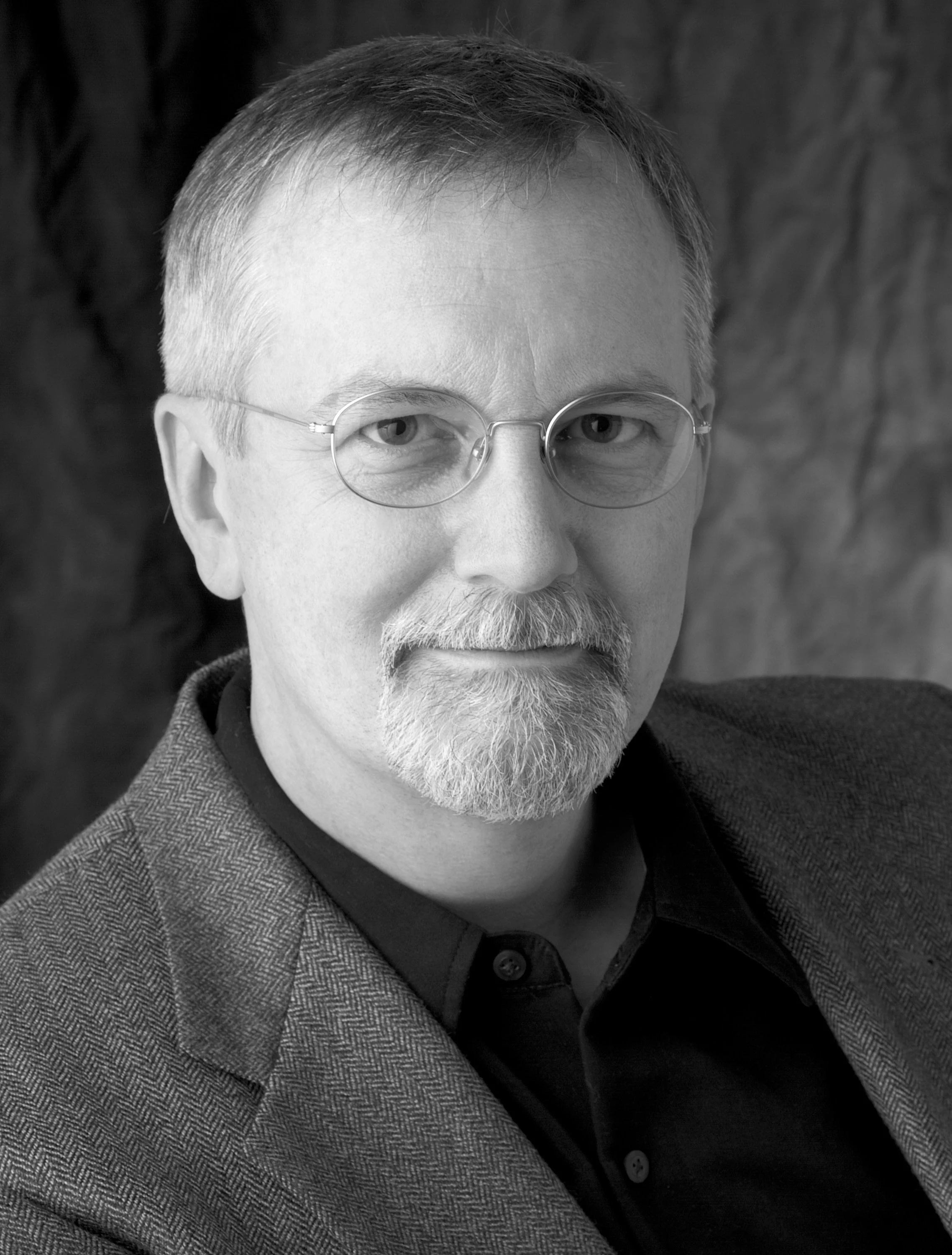
Charles J. Shields, who grew up in Park Forest, is a biographer of mid-century American novelists and writers. His most recent book is “Lorraine Hansberry: The Story Behind ‘A Raisin in the Sun.’”